
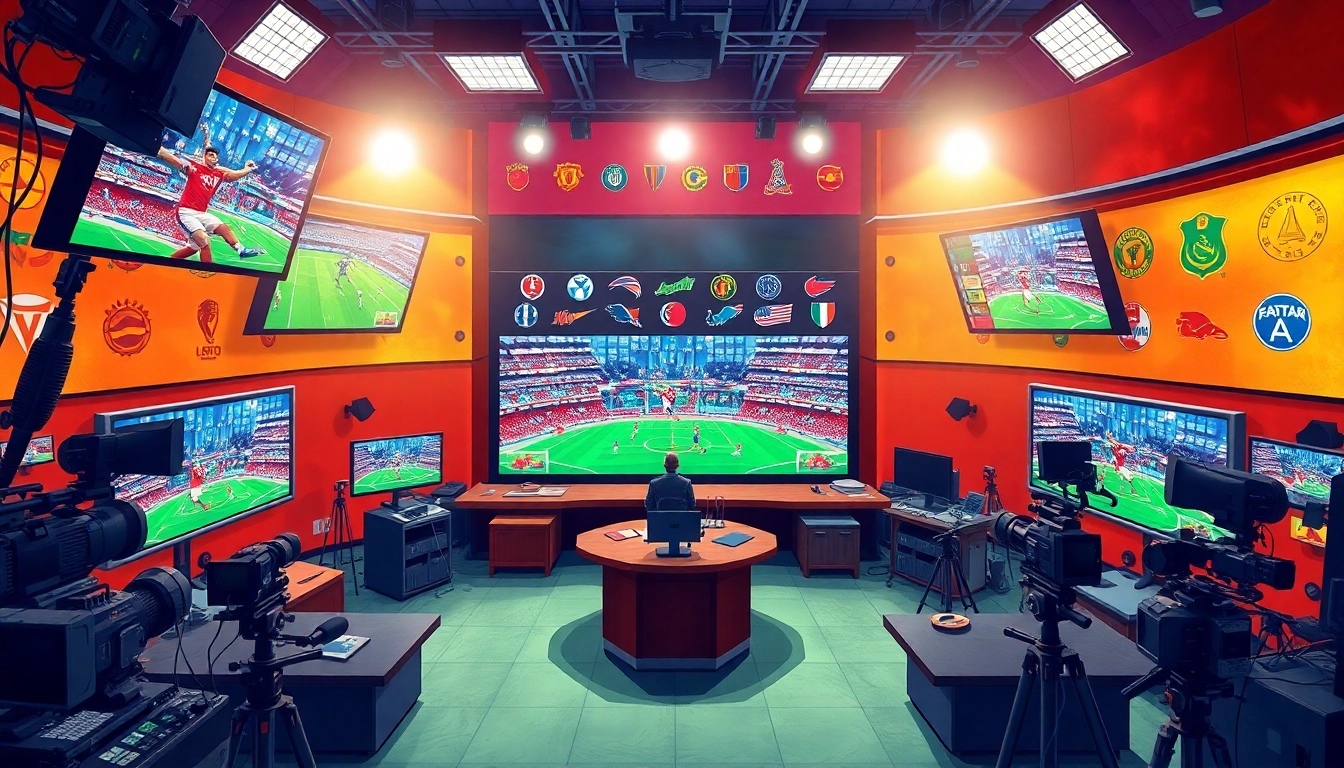
Understanding the Landscape of Sports Broadcasting
Sports broadcasting has evolved dramatically over the years, fundamentally changing how fans consume their favorite sports. This industry encompasses various elements such as live events, analysis, and commentary, creating a comprehensive experience for viewers. As technology progresses and audience preferences shift, understanding the nuances of Sports Broadcasting becomes essential for anyone involved in this field.
History and Evolution of Sports Broadcasting
The history of sports broadcasting dates back to the early 20th century when radio was the predominant media platform. The first-ever live sports broadcast occurred in 1921 when a boxing match was transmitted across the airwaves. Television then revolutionized the industry in the 1940s and 1950s, allowing viewers to experience sporting events visually from the comfort of their homes.
With the advent of cable TV in the 1980s, channels dedicated entirely to sports emerged, significantly broadening the audience reach. The Internet brought a seismic shift in the 2000s, giving rise to streaming services that allow fans to watch live sports anytime and anywhere. Today, we see a blend of traditional and digital media, where highlights, recap shows, and fan interactions enhance the sports broadcasting landscape.
Key Components of Sports Broadcasting
The key components of sports broadcasting include live event coverage, pre-game analysis, and post-game commentary. Each aspect works together to provide an enriching experience for viewers. Additionally, sports broadcasters rely heavily on skilled professionals, including commentators, analysts, and production staff, who work relentlessly behind the scenes.
To ensure a seamless broadcast, various technologies are employed. High-definition cameras, drones, and advanced graphics software enhance visual storytelling, while audio technologies deliver clear commentary. All of these elements contribute to the immersive nature of sports broadcasting.
Current Trends in Sports Broadcasting
The current trends of sports broadcasting revolve around one central theme: personalization. Viewers now expect tailored content that suits their needs. This has led to an increase in on-demand streaming services that offer customized viewing experiences. Platforms such as ESPN+ and DAZN allow fans to subscribe to specific sports, tournaments, or teams, enhancing engagement.
Moreover, the rise of social media has enabled real-time updates and interaction. Broadcasters now use platforms like Twitter and Instagram to provide behind-the-scenes content and engage with fans directly. Additionally, the introduction of augmented reality (AR) and virtual reality (VR) technologies promises to create more immersive experiences for viewers in the near future.
Essential Skills for Sports Broadcasters
Communication and Presentation Skills
Effective communication and presentation skills are paramount for any sports broadcaster. Clear articulation and an engaging voice can significantly impact viewer enjoyment. Broadcasters must not only convey information accurately but also inject enthusiasm and personality into their delivery.
Moreover, each broadcaster should adapt their style to fit the specific audience demographic. For instance, a broadcaster covering youth sports might adopt a more casual tone compared to one covering professional leagues.
Technical Proficiency in Broadcasting Equipment
Technical proficiency is vital in the world of sports broadcasting, as broadcasters must effectively operate various equipment. Familiarity with cameras, sound equipment, and broadcasting software is essential for producing high-quality content. Understanding how to troubleshoot equipment issues quickly can also make a significant difference during live events.
With technological advancements, it is crucial for broadcasters to stay updated on the latest tools and software to maintain a competitive edge. Continuous learning through workshops and training can enhance a broadcaster’s technical skills, leading to a more polished final product.
Storytelling Techniques in Sports Broadcasting
Storytelling plays a vital role in sports broadcasting, transforming standard coverage into captivating narratives. Broadcasters need to weave compelling stories around events, players, and moments, connecting emotionally with the audience. Techniques such as player anecdotes, historical context, and compelling visuals enhance storytelling.
Good storytellers recognize the importance of pacing, knowing when to heighten drama and when to deliver key information succinctly. A skilled sports broadcaster balances the technical aspects of the game with the human side of sports, creating memorable experiences for viewers.
Types of Sports Broadcasting Formats
Live Sports Events Coverage
Live sports events coverage is the bread and butter of sports broadcasting. This format delivers real-time action, capturing the excitement as it unfolds. Broadcasters must think on their feet, providing immediate commentary and analysis while remaining true to the events happening on-screen.
High-quality production values are crucial in these broadcasts. Multiple camera angles, slow-motion replays, and on-field interviews contribute to a dynamic viewing experience. Additionally, effective communication with producers is essential to ensure smooth transitions between segments.
Sports Analysis and Commentary Shows
After a game concludes, sports analysis and commentary shows provide in-depth reviews and insights. These programs often feature expert analysts who break down critical plays, team strategies, and player performances, helping fans gain a deeper understanding of the game.
Successful commentary shows balance analytical depth with engaging discussions. Utilizing graphics and statistics effectively enhances viewer engagement and provides valuable context. Interactive segments, where fans can share opinions or ask questions, are also gaining popularity.
Digital Streaming Platforms for Sports Broadcasting
Digital streaming platforms have revolutionized the way audiences consume sports. These platforms allow for content consumption on-demand, giving fans the flexibility to watch whenever and wherever they choose. Major events are streamed live, drawing in record numbers of viewers, often surpassing traditional broadcasts.
In addition to live games, many platforms offer exclusive content such as documentaries, interviews, and analysis. This creates a richer ecosystem for fans, who can explore various facets of their favorite sports beyond the games themselves.
Challenges Facing Sports Broadcasters Today
Competition from Digital Content Creators
The rise of social media has given birth to a new breed of content creators, including influencers and enthusiasts who share their insights on platforms like YouTube and TikTok. These creators often attract large followings, presenting a challenge to traditional sports broadcasters seeking to retain viewer loyalty.
To remain relevant, established broadcasters need to adapt their strategies, embracing new mediums and potentially collaborating with content creators to engage younger audiences who may prefer these fresh, informal formats.
Adapting to Technological Changes
The rapid evolution of technology poses both opportunities and challenges for sports broadcasters. Keeping pace with changing standards, equipment, and consumer expectations requires continuous investment and flexibility.
Broadcasters must not only adopt new technologies but also understand how to integrate them seamlessly into their productions. This includes preparing staff for new roles and ensuring that content remains accessible across various platforms.
Maintaining Viewer Engagement
In a crowded market packed with options, maintaining viewer engagement is crucial. Broadcasters face the challenge of attracting and retaining audiences in an environment with distractions from countless other entertainment options.
Utilizing interactive elements, such as live polls and social media integration, can significantly enhance engagement. Additionally, personalization features that accommodate viewer preferences can lead to increased loyalty and satisfaction.
Measuring Success in Sports Broadcasting
Key Performance Indicators for Broadcasters
Measuring the success of sports broadcasting relies heavily on key performance indicators (KPIs). Common KPIs include viewer ratings, reach, engagement rates, and revenue from advertisements. By analyzing these metrics, broadcasters can identify trends and adjust their strategies effectively.
Furthermore, understanding the demographic makeup of the audience helps broadcasters tailor content and ads, improving their chances of retention and conversion.
Audience Analytics and Feedback
Audience analytics provide valuable insights into viewer preferences and behaviors. Utilizing tools that track engagement and viewership patterns helps broadcasters assess which content resonates most with their audience.
Soliciting direct feedback through surveys and interactive sessions empowers broadcasters to address audience needs and preferences, thereby fostering stronger relationships with their viewers.
Case Studies of Successful Sports Broadcasting Campaigns
Analyzing successful sports broadcasting campaigns can provide invaluable lessons for industry professionals. Many broadcasters have created campaigns that seamlessly blend storytelling, audience engagement, and personalization. For instance, campaigns that leverage audience participation during broadcasts have shown significant increases in viewer loyalty and engagement rates.
Case studies highlighting innovative broadcasts, strategic partnerships, or unique programming approaches can serve as blueprints for others in the field, showcasing how creativity and relevance can drive success in sports broadcasting.
Frequently Asked Questions
What skills are essential for a sports broadcaster?
Essential skills include effective communication, technical proficiency with broadcasting equipment, and strong storytelling abilities to engage the audience.
How do broadcasters measure viewer engagement?
Viewer engagement is measured using KPIs like ratings, social media interactions, and audience demographics to understand viewer preferences and behaviors.
What are some challenges in sports broadcasting?
Challenges include competition from digital content creators, adapting to rapid technological changes, and maintaining audience engagement in a saturated market.
How has technology impacted sports broadcasting?
Technology has revolutionized sports broadcasting by introducing new formats, enhancing production quality, and enabling on-demand streaming options for audiences.
What role does storytelling play in sports broadcasting?
Storytelling enhances viewer engagement by creating emotional connections and making the coverage more relatable, engaging, and memorable.